


A voice for the Rivers.
Rivers are the lifeblood of the land. Long before roads, cities, or borders, rivers carved pathways through forests and valleys, shaping ecosystems and sustaining everything in their reach. They feed wetlands, nourish forests, and provide clean water for people, wildlife, and the countless unseen organisms that keep nature in balance. From cold mountain streams to slow-moving lowland rivers, these flowing waters connect entire landscapes, carrying nutrients, stories, and life downstream. When a river is healthy, the land around it thrives.
Many Native American cultures have long understood rivers not as resources to be used, but as living relatives—teachers, providers, and sacred beings. Rivers were seen as places of renewal and guidance, where time flows differently and balance can be restored. Water was honored through ceremony and daily respect, reminding people that what happens upstream always affects what lies below. This worldview teaches responsibility: to care for the river is to care for the future, for generations yet to come.
Today, rivers still offer that same quiet wisdom if we’re willing to listen. They invite us to slow down, to observe, and to remember our connection to the natural world. Protecting rivers and streams means protecting the fish, insects, birds, and forests that depend on them—and ultimately, protecting ourselves. When we walk riverbanks, paddle their currents, or simply sit and listen, we are reminded that rivers are not separate from us. They are living threads that tie land, water, and life together, asking only that we respect and defend their flow.

White Tubercled Crayfish Procambarus spiculifer
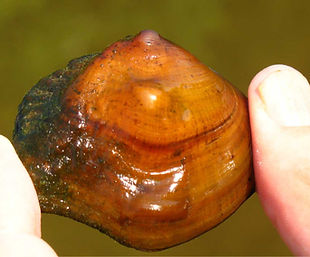
Three Horn Wartyback Obliquaria reflexa

Longear sunfish Lepomis megalotis
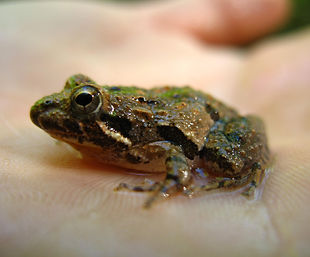
Southern Cricket Frog Acris gryllus

Rainbow Trout Oncorhynchus mykiss

Southern Pocketbook Lampsilis ornata

Green Frog Rana clamitans melanota

Cahaba Lily Hymenocallis coronaria
A voice for the Rivers.

